Information

In high-ceiling spaces such as warehouses, production halls, workshops, sports facilities, retail stores, and showrooms, a significant amount of heat is often wasted in a way that is not immediately visible. The heating system is running, yet the floor level remains chilly. Meanwhile, warm air accumulates near the roof or ceiling. This phenomenon is known as thermal stratification.

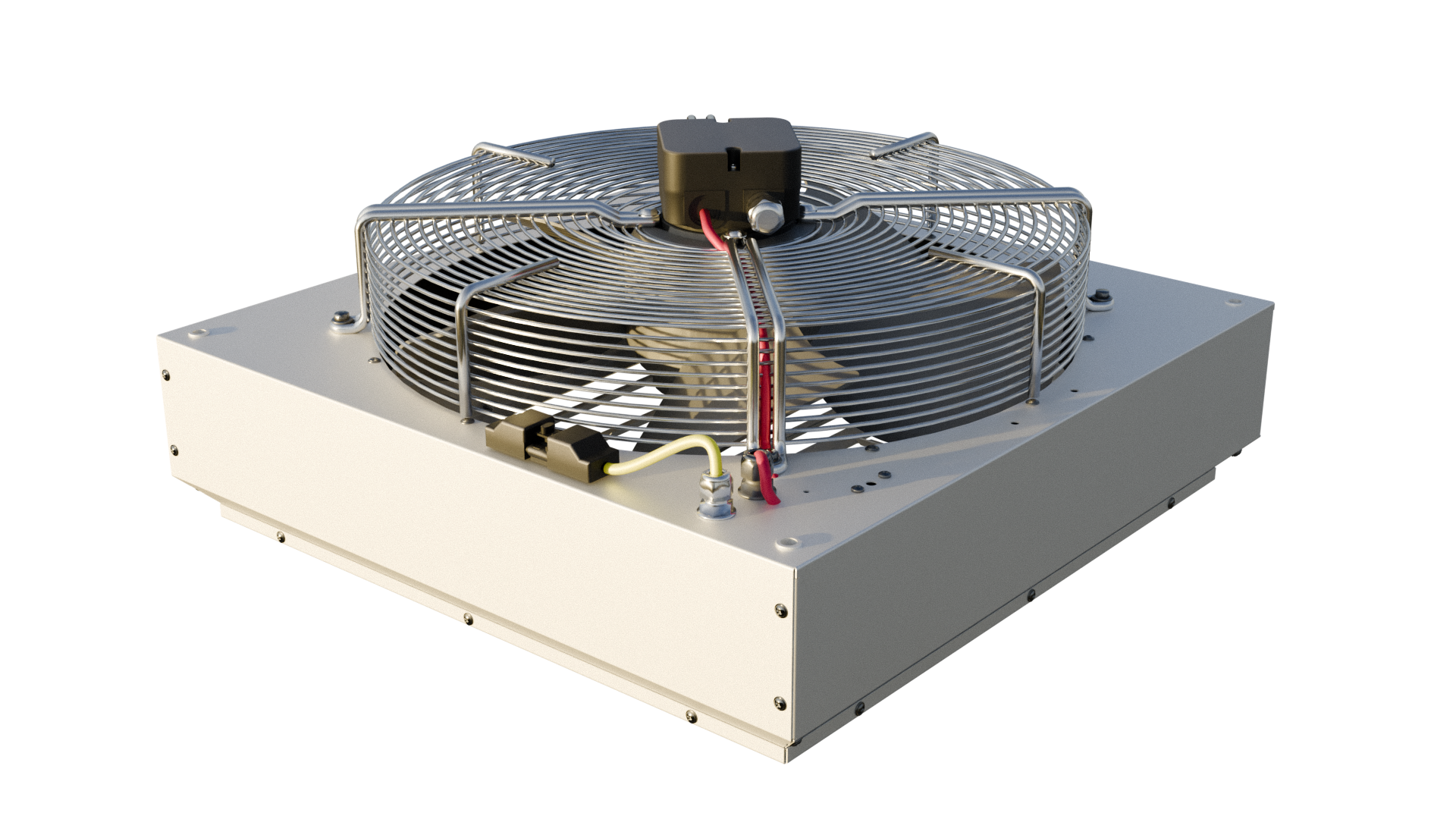
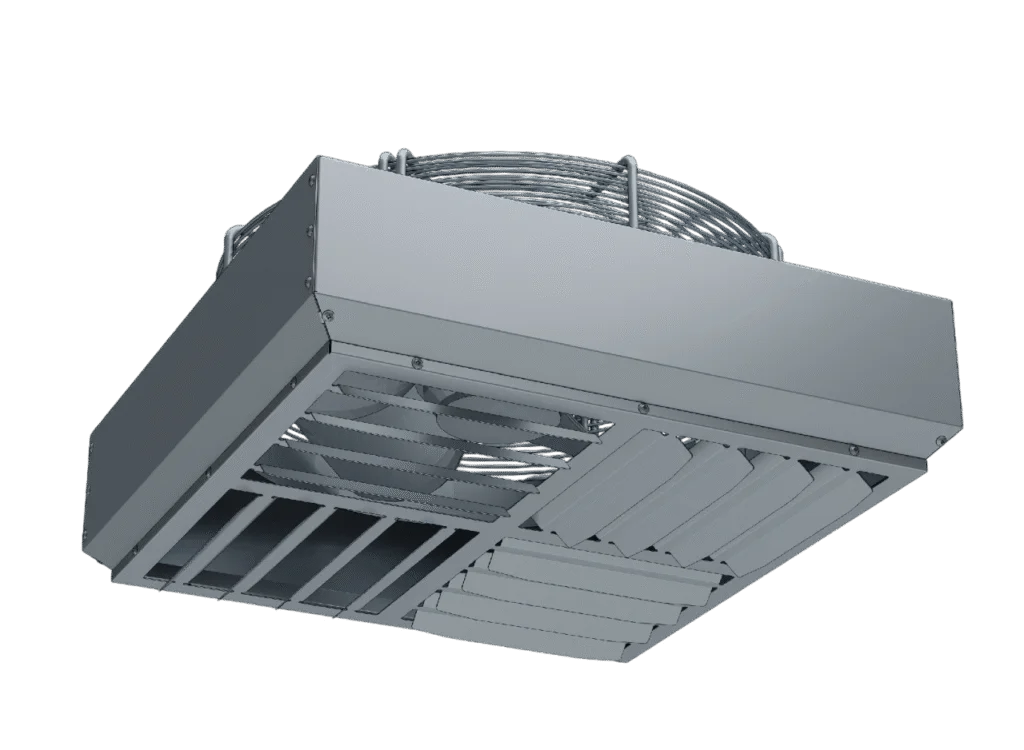
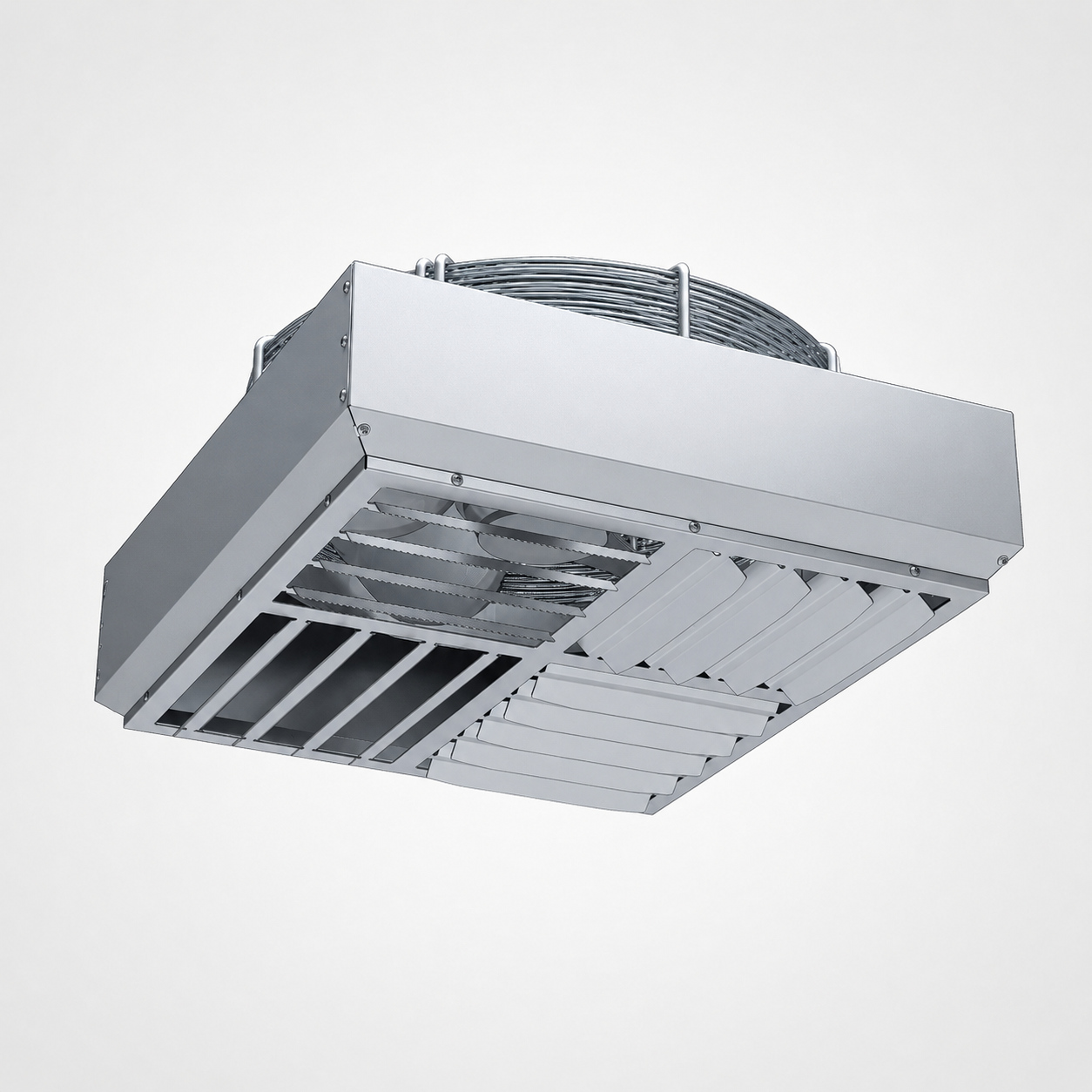
A destratification fan offers a simple and effective solution. These fans bring the warm air trapped at ceiling level back down into the occupied zone. As a result, temperatures become more evenly distributed, comfort improves, and the heating system does not need to work as hard.

For businesses with high ceilings, destratification can be a smart way to reduce energy consumption without replacing the entire heating system. According to the Carbon Trust, warm air in tall buildings can remain trapped beneath the roof and may be up to 10°C warmer than the working level. Destratification fans redirect this heat to where it is actually needed.

Look into our Destratification fans

What Is Destratification?

Destratification literally means breaking up layers of air. In heated spaces, warm air naturally rises while cooler air remains lower. This creates distinct temperature layers within the same room.

In low-ceiling spaces, this effect is usually limited. However, in warehouses, industrial halls, and showrooms with high ceilings, the temperature difference between floor and ceiling can become significant. As a result, the occupied zone remains cooler while a large amount of usable heat accumulates overhead.

A destratification fan mixes these air layers by pushing warm air from the ceiling back down toward the floor, creating a more consistent temperature throughout the space.

How Does a Destratification Fan Work?

A destratification fan is typically installed high within the building, often suspended from the ceiling or roof structure. The fan directs air downward in a controlled manner, moving the warm air layer beneath the roof into the lower occupied areas.

The objective is not to create drafts but to redistribute existing heat. Air movement must be powerful enough to break up temperature layers while remaining comfortable for occupants.

Many systems are combined with temperature controls. Sensors measure temperatures at floor level and near the ceiling. When the temperature difference exceeds a predefined threshold, the fan automatically starts or increases its speed. This ensures the system operates only when destratification is genuinely needed.

Why Is Destratification Important in High-Ceiling Buildings?

High buildings often consume substantial amounts of energy to maintain comfortable temperatures at working level. However, as long as warm air continues to rise, much of the heating energy is concentrated in the upper air layers rather than where people work.

Without destratification, this can lead to:

  • Cold feet and uncomfortable working conditions
  • Excessively warm air beneath the roof
  • Higher heating costs
  • Longer heating system run times
  • Uneven temperature distribution
  • Increased risk of condensation on cold roof and wall surfaces

According to Carbon Charter data based on Carbon Trust research, a typical building with a roof height of 5–7 meters can experience temperature differences of around 5°C between the occupied zone and roof space. The same source indicates that destratification fans can reduce heating energy consumption by approximately 20% in industrial buildings with high ceilings and warm-air heating systems.

Bron: Carbon Charter

Key Benefits of Destratification Fans

  • 1. Lower Heating Costs

    The primary benefit of destratification is energy savings. By returning warm air to floor level, less heating energy is required to achieve the desired temperature in the occupied zone.

    Heat that has already been generated is used more effectively, reducing heat loss through the roof and improving overall heating efficiency. The Carbon Trust states that the value of the heat saved typically exceeds the electricity cost required to operate the fans.

    2. Improved Comfort for Employees and Visitors

    Large temperature differences create uncomfortable environments. The floor area feels cold while temperatures higher up remain much warmer.

    Destratification fans help eliminate hot and cold zones, creating a more comfortable environment in warehouses, workshops, production facilities, garages, sports halls, and retail spaces. Employees experience fewer cold spots, while customers and visitors enjoy a more pleasant indoor climate.

    3. Better Heat Distribution Throughout the Entire Space

    Destratification fans do not generate additional heat. Instead, they distribute existing heat more effectively, creating a more uniform temperature profile.

    This is especially beneficial in buildings heated by:

    Warm-air heaters
    Heat pumps
    Industrial heaters
    Other air-based heating systems

    In facilities where machinery, lighting, or production processes generate heat, destratification can also help spread this heat more evenly throughout the building.

    4. Reduced Load on the Heating System

    When heat reaches the occupied zone more efficiently, the heating system operates less frequently and less intensively. This can reduce wear and tear while improving the overall performance of the existing installation.

    As a result, destratification is often a cost-effective upgrade to an existing heating system, eliminating the need for immediate replacement.

    5. Reduced Risk of Condensation

    In high or poorly insulated buildings, warm, moisture-laden air can come into contact with cold roof or wall surfaces, causing condensation.

    This can lead to:

    Water droplets forming on surfaces
    Moisture damage
    Damage to goods and equipment
    Slippery and unsafe floors

    By reducing temperature differences and mixing air layers, destratification can help minimize condensation issues.

    According to Continental Fan, condensation in warehouses often occurs when warm indoor air contacts a cold roof surface, potentially resulting in dripping water and damage to products or equipment.


    Bron: Continental Fan

Where Are Destratification Fans Used?

Destratification fans are particularly suitable for buildings with high ceilings and large air volumes, including:

  • Warehouses and logistics centers
  • Manufacturing facilities and workshops
  • Garages and technical areas
  • Sports halls and event venues
  • Retail stores and showrooms
  • Garden centers and wholesale facilities
  • Schools, churches, and community buildings
  • Storage and distribution centers

In general, the higher the building, the greater the risk of temperature differences between floor and ceiling levels. Sentera specifically highlights warehouses, sports facilities, retail spaces, factories, and exhibition halls as ideal applications.

Bron: Sentera

Is a Destratification Fan the Same as a Standard Fan?

Not exactly.

A standard fan is generally designed for cooling or general air circulation. A destratification fan is specifically engineered to move warm air from the upper levels of a building back down into the occupied zone.

The difference lies primarily in the application, installation position, and airflow characteristics. A proper destratification fan must move air effectively over significant heights without creating uncomfortable drafts.

Selecting the right fan depends on:

  • Ceiling height
  • Room volume
  • Heating system type
  • Building layout

When Is Destratification Worth Considering?

Destratification is particularly beneficial if:

  • Your building has ceilings higher than approximately 4–5 meters
  • Employees complain about cold working areas
  • The heating system runs continuously but floor-level temperatures remain low
  • The upper parts of the building feel noticeably warmer
  • Heating costs are high
  • Condensation forms on roofs, walls, or cold surfaces
  • You want improved comfort without major renovations
  • You want to maximize the value of existing heating energy

A simple temperature measurement can provide a useful indication. Compare temperatures at floor level and near the ceiling. A significant difference suggests that destratification could be an effective solution.

Proper Installation and Control Make the Difference

Destratification fans deliver the best results when correctly selected, positioned, and controlled.

Performance depends on:

  • Number of fans
  • Installation height
  • Airflow angle
  • Air volume
  • Control strategy

Large spaces often require multiple fans to achieve even air distribution. In warehouses with shelving, machinery, or high-traffic zones, fan placement should be carefully planned to avoid interference with operations.

Automatic controls with temperature sensors can further improve efficiency by ensuring fans only operate when sufficient temperature stratification exists.

Can Destratification Fans Be Used in Summer?

Although primarily used during the heating season, destratification fans can also provide benefits during warmer periods.

In production facilities or workshops where machinery generates localized heat, air mixing can help reduce hot spots and improve overall air circulation. While a destratification fan is not a replacement for air conditioning, it can contribute to a more balanced indoor environment.

Destratification Is Not the Same as Ventilation

A common misconception is that destratification and ventilation are the same.

They serve different purposes:

Ventilation

  • Removes stale or humid indoor air
  • Brings in fresh outdoor air
  • Improves indoor air quality

Destratification

  • Mixes existing indoor air
  • Improves heat distribution
  • Reduces temperature differences

Most buildings benefit from both systems working together: ventilation for air quality and destratification for thermal comfort and energy efficiency.

Saving Energy with Destratification Fans

Actual savings depend on factors such as:

  • Ceiling height
  • Building insulation
  • Heating system type
  • Operating hours
  • Outdoor temperatures
  • Building layout
  • Fan control strategy

The principle is simple: the less heat that remains trapped beneath the roof, the more efficiently the building can be heated.

In many commercial and industrial buildings, destratification provides a relatively simple improvement with a significant impact on comfort and energy performance. It allows you to make better use of heat that you have already paid for by delivering it where it is needed most: at working level.

Need Advice on Destratification Fans?

Would you like to know whether destratification fans are suitable for your warehouse, workshop, production facility, showroom, or commercial building?

The ideal solution depends on:

  • Building height
  • Heating system type
  • Temperature differences between floor and ceiling
  • Desired airflow pattern

With the right destratification fan, you can improve heat distribution, reduce cold zones, enhance comfort, and lower heating costs.

Contact us for expert advice and a tailored recommendation for your facility.

Frequently Asked Questions


What does a destratification fan do?

A destratification fan moves warm air that accumulates beneath the ceiling back down into the occupied area, improving temperature uniformity and reducing heating demand.

At what ceiling height does destratification become beneficial?

Destratification is generally most effective in buildings with ceiling heights of approximately 4–5 meters or more.

Can a destratification fan save energy?

Yes. In many high-ceiling spaces, destratification can significantly reduce heating energy consumption by making better use of existing heat.

Do destratification fans create drafts?

A properly selected and installed destratification fan is designed to mix air layers without causing uncomfortable drafts.

Is destratification the same as ventilation?

No. Ventilation exchanges indoor and outdoor air, while destratification redistributes existing indoor air to improve temperature consistency.

Where are destratification fans commonly used?

They are widely used in warehouses, manufacturing facilities, sports halls, workshops, garages, retail stores, showrooms, logistics centers, and other high-ceiling buildings.


Losing Heat in a High-Ceiling Building?

We can help you select the right destratification fan for your warehouse, industrial facility, showroom, or workshop.

Contact us today for no-obligation advice and discover how much comfort improvement and energy savings are possible in your building.

Schrijf u in voor onze nieuwsbrief

Meld u aan voor onze nieuwsbrief om op de hoogte te blijven van ons laatste nieuws en acties.
Bij inschrijving ontvangt u direct een welkomstaanbieding!