1. Lower Heating Costs
The primary benefit of destratification is energy savings. By returning warm air to floor level, less heating energy is required to achieve the desired temperature in the occupied zone.
Heat that has already been generated is used more effectively, reducing heat loss through the roof and improving overall heating efficiency. The Carbon Trust states that the value of the heat saved typically exceeds the electricity cost required to operate the fans.
2. Improved Comfort for Employees and Visitors
Large temperature differences create uncomfortable environments. The floor area feels cold while temperatures higher up remain much warmer.
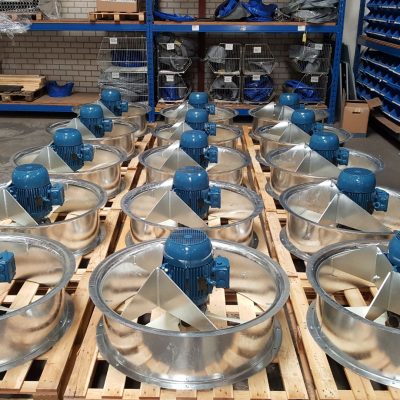
Destratification fans help eliminate hot and cold zones, creating a more comfortable environment in warehouses, workshops, production facilities, garages, sports halls, and retail spaces. Employees experience fewer cold spots, while customers and visitors enjoy a more pleasant indoor climate.
3. Better Heat Distribution Throughout the Entire Space
Destratification fans do not generate additional heat. Instead, they distribute existing heat more effectively, creating a more uniform temperature profile.
This is especially beneficial in buildings heated by:
Warm-air heaters
Heat pumps
Industrial heaters
Other air-based heating systems
In facilities where machinery, lighting, or production processes generate heat, destratification can also help spread this heat more evenly throughout the building.
4. Reduced Load on the Heating System
When heat reaches the occupied zone more efficiently, the heating system operates less frequently and less intensively. This can reduce wear and tear while improving the overall performance of the existing installation.
As a result, destratification is often a cost-effective upgrade to an existing heating system, eliminating the need for immediate replacement.
5. Reduced Risk of Condensation
In high or poorly insulated buildings, warm, moisture-laden air can come into contact with cold roof or wall surfaces, causing condensation.
This can lead to:
Water droplets forming on surfaces
Moisture damage
Damage to goods and equipment
Slippery and unsafe floors
By reducing temperature differences and mixing air layers, destratification can help minimize condensation issues.
According to Continental Fan, condensation in warehouses often occurs when warm indoor air contacts a cold roof surface, potentially resulting in dripping water and damage to products or equipment.